Professional smart display solution provider
Focused on manufacturing large display screens for 15 years, providing door-to-door services nationwide

Hotline
0755-29595688
Professional smart display solution provider
Focused on manufacturing large display screens for 15 years, providing door-to-door services nationwide
0755-29595688
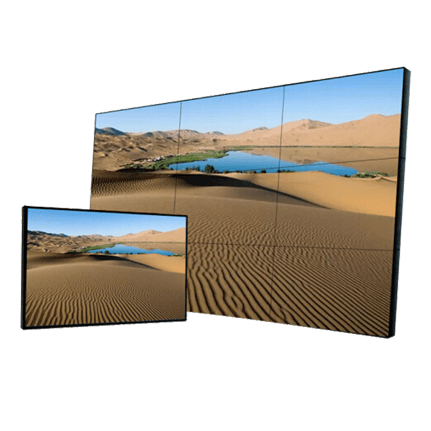
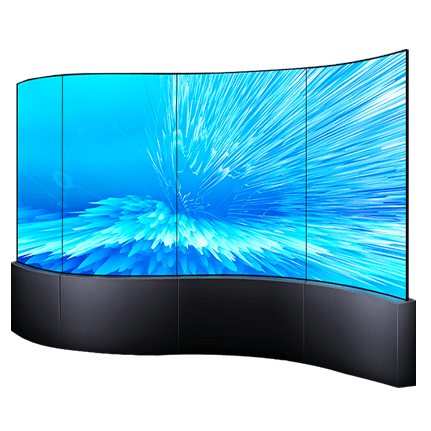
Narrow edge splicing screenCompare three types of UHP light sources, LED light sources, and laser light sources as follows:
1. Brightness: Brightness has an extremely important impact on the image quality of DLP large screen systems and is also an important indicator for evaluating the performance of various light sources. UHP light sources usually use two methods in practical applications: single lamp and double lamp, providing a maximum brightness of 1600lm; The LED light source is limited to 1000lm, making upgrading difficult. The laser light source can easily reach over 2000lm. In terms of brightness, LED light sources are weaker, while laser light sources have obvious advantages.
2. Color gamut: The narrow edge splicing screen color gamut range mainly determines the color performance of the DLP system and is also an important reference indicator for image quality evaluation. The color gamut range of UHP light sources is usually 70% to 80%; LED can usually reach 120%; The color gamut range of blue monochromatic laser light sources is usually around 90%, while the color gamut range of high-end digital movie projectors using tricolor lasers can reach 150%. In the color gamut evaluation, LED won, and products using a blue monochromatic laser light source ranked second.
3. Average lifespan: The lifespan of a light source to some extent determines the time and cost of maintenance. The lifespan of a typical UHP light source is around 10000 hours, and recent reports suggest that ultra narrow edge splicing screens can be extended to 20000 hours. LED light sources are stable and typically have a lifespan of 60000 hours; Due to the lifespan of the fluorescent pink wheel, the monochromatic laser source is tentatively set at 40000 to 60000 hours. In the comparison of average lifespan, LED wins, followed by monochromatic laser light source systems.
4. Environmental performance: The narrow edge splicing screen's environmental performance mainly evaluates whether the light source is contaminated by heavy metals such as mercury. In this incident, UHP was defeated by mercury lamps, while LED and laser light sources won.
The above four points are about the advantages and disadvantages of choosing different types of splicing screen backlight on the market. Each splicing screen has its own advantages and disadvantages, choose according to different requirements and usage environments!
Online Service
8:00-24:00